About Services Portfolio Journal

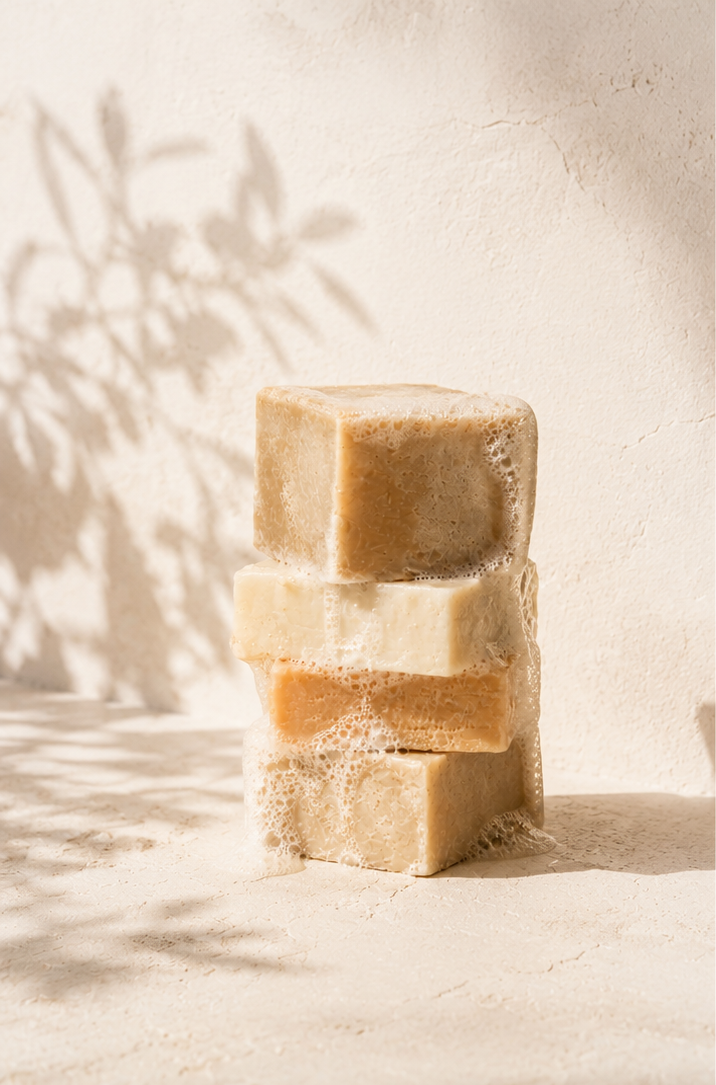

For generations, families in northern Lebanon have relied on olive oil soap as an essential part of everyday life, valued for its clean ingredients, gentle feel, and versatile use. Our bars are made using time-honored methods and locally sourced olive oil, bringing an authentic piece of Lebanese heritage into your home.
History of the Traditional Lebanese Olive Oil Soap
Many historians connect early soap-making traditions in the region to the Phoenician era, when olive oil was one of the most valued resources in the Levant. Soap-making was a part of daily life across Lebanon, especially in the north, where olive trees thrive and the craft was preserved through families and local makers.
By the medieval period, Lebanese cities such as Tripoli became widely known for soap production, and traditional olive oil soap continued to spread throughout the Mediterranean through trade and cultural exchange.
In villages like Hamat, the tradition remained deeply localized. Families continued making olive oil soap the old way, using simple ingredients, time-tested methods, and patient curing. That same philosophy is what inspires our bars today.
How It’s Made
-
The soap begins with pure olive oil sourced from Hamat, a village known for its olive groves and olive cultivation. The quality of the oil is what gives the soap its rich character.
-
Katroun is the natural alkaline solution that allows olive oil to transform into soap. This method is an ancient way of soap-making, where alkaline minerals, traditionally derived from wood and plant ashes, are prepared into a usable form for soap production.
When olive oil is carefully combined with water and Katroun, the natural saponification (literally, soap-making) reaction begins, turning oils into a cleanser.
This step requires experience, patience, and precision, and it is a key part of why this soap has been trusted in Lebanese homes for generations.
-
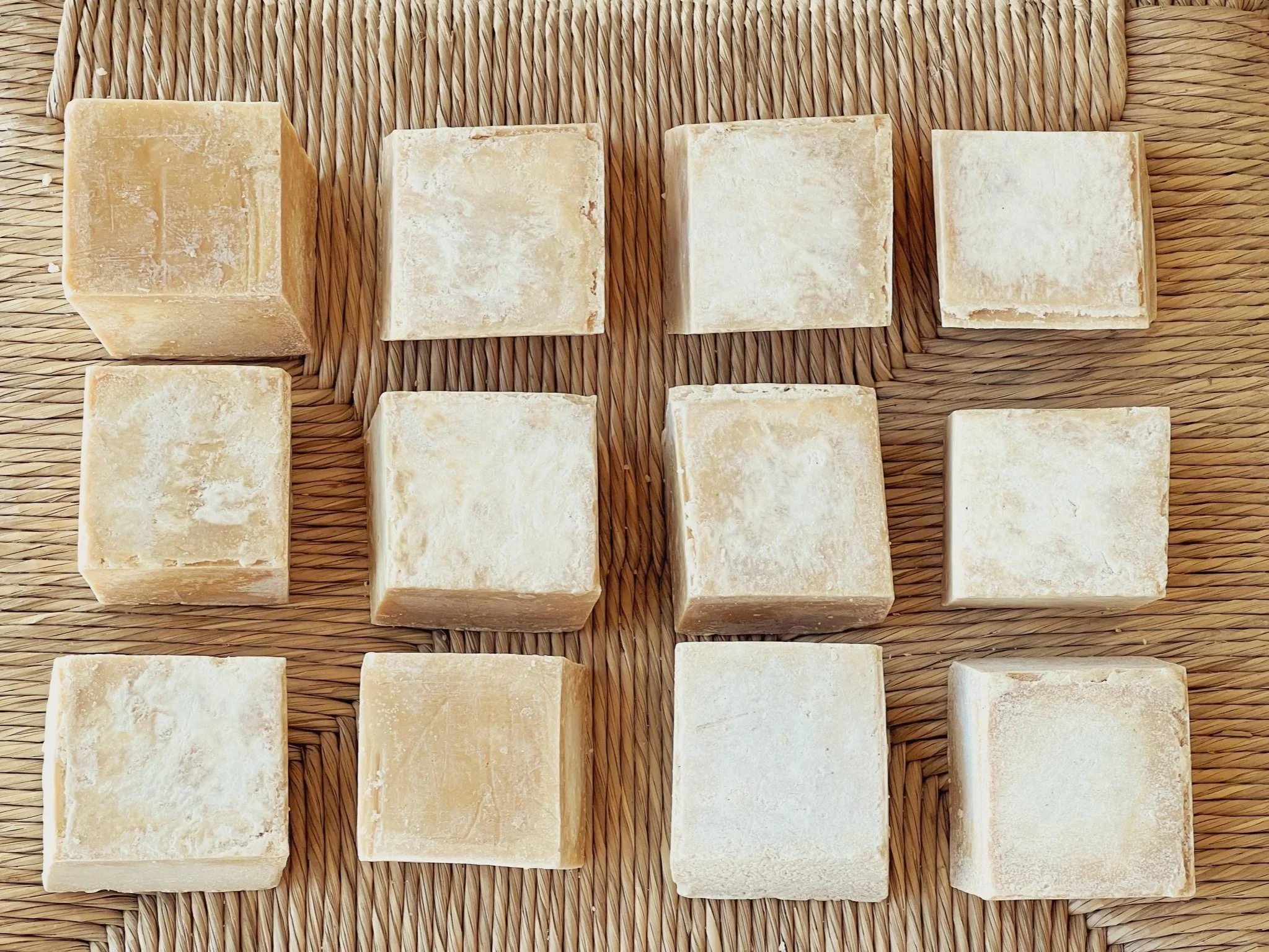
Once the mixture reaches the proper consistency, it is poured into molds and left to set. Then, the soap is hand-cut into individual bars, keeping the process artisanal and consistent with tradition.
-
After cutting, the bars are left to cure for up to two years. This curing period is essential for the development of final texture, and what allows the soap to be high quality and long-lasting.
Unlike modern soaps that are typically cured for a few weeks, Saboun Baladi is aged over several months, up to two years. The longer soap is cured, the more water evaporates and the more inner crystallization occurs. This leads to a longer-lasting soap with a gentler, smoother lather and less residue on the skin.
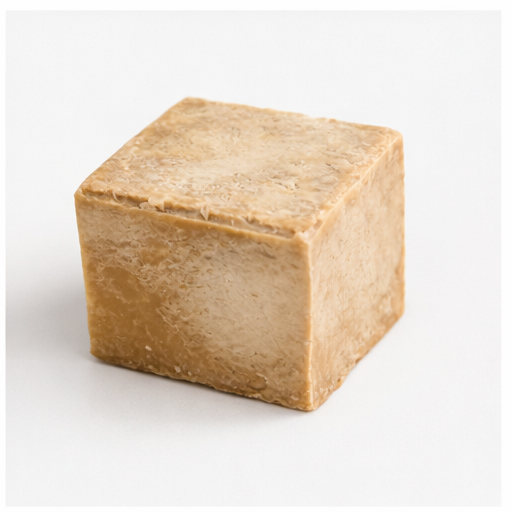
Lebanese olive oil soap made from ancient methods & Hamat Village sourced olive oil.
Lebanese olive oil soap made from ancient methods & Hamat Village sourced olive oil.
Home
Services
About
Portfolio
Journal
Contact
mer@merzinodesignco.com